Our material starts out as widely available, agricultural byproducts, sourced from suppliers already operating at commercial scale. Our partners convert those materials into our base molecule.
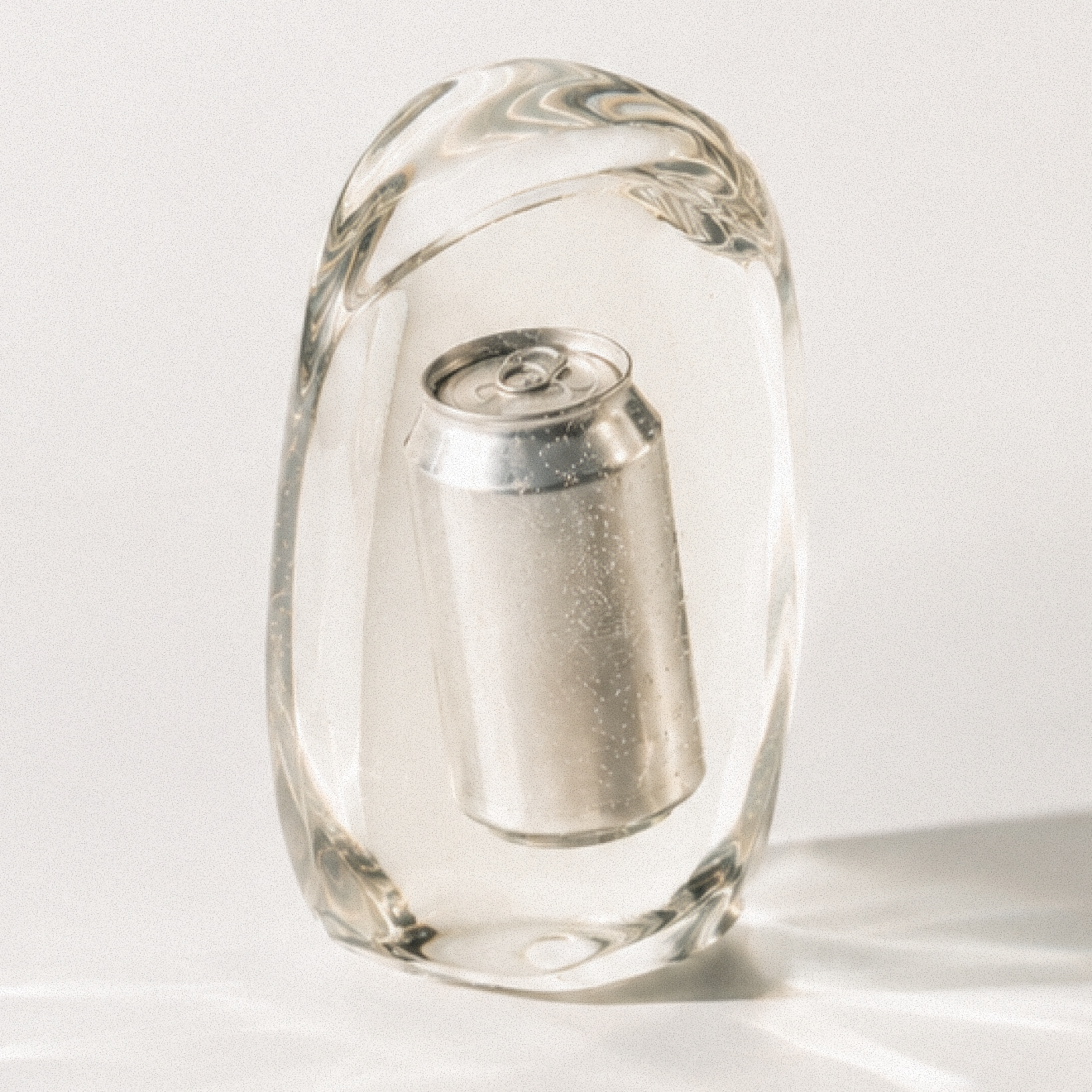
We use that base molecule to make our biobased epoxy and formulate that epoxy into final products. Our formulations can handle heat and adhesion as well as a BPA-based epoxy, all while containing no bisphenol of any kind.
Our finished formulations go into industrial processes the same way a bisphenol epoxy-based formulation would. Same equipment, same cure chemistry, safer molecules.

Robert spent nearly twelve years at 3M developing polymer formulations and scaling materials processes to commercial production. He went on to serve as CTO at CLEARink Displays and Shocking Technologies, and as VP of Research and Technology at Zymergen. His work has taken novel chemistry from laboratory synthesis to manufacturing lines, repeatedly.
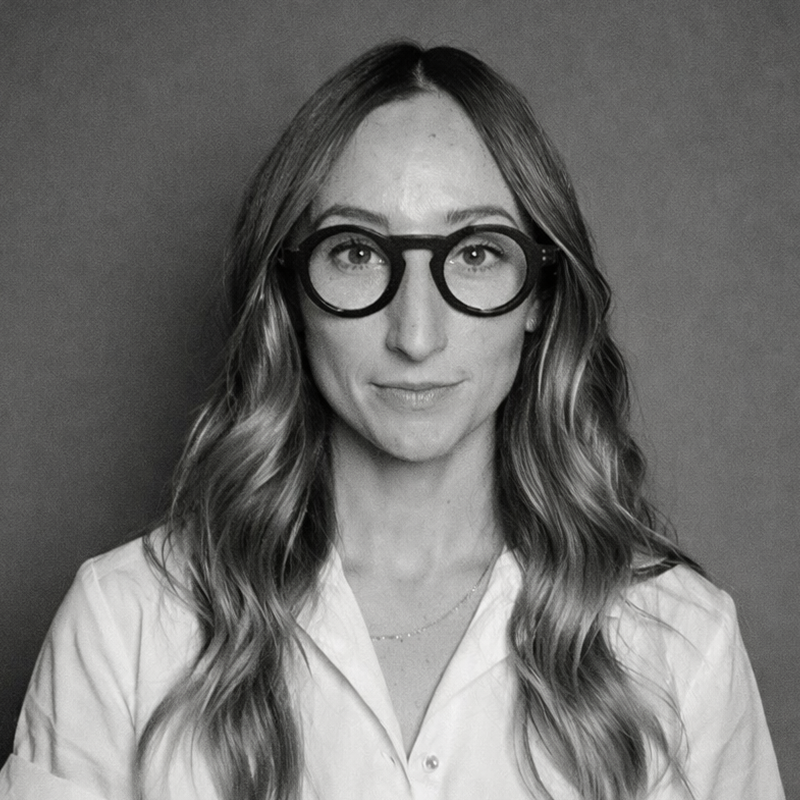
Elizabeth began her career helping major corporations make new products and spaces, and with that insight has spent the last decade bringing new materials to market. She previously built two materials companies, leading commercial partnerships and market strategies across packaging, pigments, and building materials. She knows what it takes to move chemistry from a lab result to a product on a shelf.